Finding Joy and Balance: Holiday Celebrations When You’re Managing Chronic & Metabolic Health Conditions
The holidays are supposed to be “the most wonderful time of the year,” but if you’re living with a chronic or metabolic health condition like diabetes, pre-diabetes, hypertension, high cholesterol, PCOS, obesity, or an autoimmune disease, you might feel something very different:
“If I enjoy the food and parties, I’ll wreck my health…but if I stay strict, I’ll feel left out.”
As a personal trainer and exercise physiologist who specializes in metabolic and chronic illness, I see this tension every year. You’re not alone in feeling it, and you’re definitely not “failing” if the holidays feel complicated.
The good news: you can celebrate and protect your health. It doesn’t require perfection, just a plan, some small daily actions, and the right support.
Why the Holidays Feel Extra Tricky for Chronic & Metabolic Conditions
Holiday season tends to combine a few big stressors all at once:
Rich food and sugary drinks
Extra alcohol
Travel, disrupted routines, and less movement
Late nights and poor sleep
Financial and family stress
Research shows that many adults gain a small but real amount of weight during the holiday season, often around 0.5–2 lbs, and that weight tends to stick around instead of disappearing in January. Over the years, that adds up.
If you’re already dealing with insulin resistance, type 2 diabetes, high blood pressure, or metabolic syndrome, these changes can mean:
Higher blood sugar swings
Elevated blood pressure and heart rate
Worsening inflammation and joint pain
More fatigue and brain fog
On top of that, surveys from the American Heart Association suggest many people actually find the holidays more stressful than tax season and often let their health slide during this time. Chronic stress pushes up hormones like cortisol and adrenaline, which are linked with higher blood pressure, blood sugar, and long-term cardiovascular risk.
So if your body feels “off” in December, that’s not in your head. There’s a real physiological load happening.
A Mindset Shift: From Restriction to “Supported Celebration”
Let’s retire the all-or-nothing approach (“I’m either perfect or I’ve blown it”).
Instead, try this question:
“How can I celebrate in a way that supports my body and my future self?”
A few helpful reframes:
From “I can’t have that” → “What’s worth it for me?”
Choose the 1–2 desserts or traditional foods you truly love, and let the forgettable stuff (the random store-bought cookies) go.From “I have to undo this later” → “I can support my body today.”
A short walk after a big meal, some extra water, taking your meds on time—these are powerful supports, not punishments.From “I’m on my own” → “I can ask for help.”
Your healthcare team and trainers (like our team here at Great Day Personal Training) can help you build a realistic plan for this season of life.
Building a Blood-Sugar-Friendly Holiday Plate (Without Food Policing)
You don’t need a “perfect” plate to support metabolic health. But a few simple principles can help your body out during big meals:
1. Start With Structure
A simple visual guide many of my clients like:
About ½ plate: non-starchy veggies (roasted Brussels sprouts, salad, green beans, sautéed greens)
About ¼ plate: lean or moderate-fat protein (turkey, chicken, fish, lean beef, tofu, lentils)
About ¼ plate: starches you enjoy (stuffing, potatoes, rice, mac & cheese, sweet potatoes)
Adding protein and fiber can slow down glucose absorption and help blunt blood sugar spikes, something we see echoed in diabetes nutrition research and clinical guidelines.
2. Choose Your “Worth It” Foods
Instead of mindlessly sampling everything, try:
Pick 1–2 favorite traditions (your grandmother’s pie, your family’s special bread).
Skip the foods you feel neutral about.
Enjoy chosen treats slowly, ideally after you’ve had some protein and veggies.
This approach supports blood sugar and energy, without putting you in a deprivation mindset.
3. Protect Your Routine When You Can
Even with special meals, aim to:
Eat something with protein (Greek yogurt, eggs, a protein shake) earlier in the day instead of “saving up.”
Keep timing of your medications as consistent as possible, holiday disruption is a known risk for missed doses, especially with heart disease and hypertension.
Moving Through the Holidays: Small Bouts, Big Benefits
For people with chronic or metabolic conditions, movement is one of the most powerful tools we have, often as impactful as some medications for improving blood sugar, blood pressure, and quality of life.
International guidelines generally recommend:
150–300 minutes per week of moderate-intensity aerobic activity (like brisk walking), or
75–150 minutes per week of vigorous-intensity activity,
plus 2+ days per week of strength training.
If you’re living with a long-term condition, a 2022 consensus statement emphasized that the benefits of physical activity far outweigh the risks for most people—when the activity is appropriate for their condition and fitness level.
Post-Meal Walks: A Metabolic “Superpower”
For managing blood sugar, timing can matter almost as much as total minutes. Several studies have shown that walking shortly after meals can significantly reduce post-meal glucose spikes:
Brisk walking starting about 15 minutes after a meal for ~30 minutes has been shown to lower the peak glucose response.
Even shorter bouts: like 10–15 minutes of walking after each meal can help older adults manage post-meal hyperglycemia.
Holiday take-away:
You don’t need a 60-minute gym session to support blood sugar. Three 10–15 minute walks (for example, after breakfast, lunch, and dinner) can be incredibly effective and are often easier to fit in around family plans.
Make Movement Part of the Celebration
Some realistic ideas:
Suggest a family walk after dinner to look at holiday lights.
Do a 10–15 minute “movement break” while watching a game or movie (marching in place, gentle squats holding onto a chair, light stretching).
If you’re in Rochester, NY, bundle up and do a short neighborhood loop, even 5–10 minutes matters, especially if you repeat it.
At Great Day Personal Training, we regularly help clients with chronic conditions build movement plans that respect joint pain, fatigue, neuropathy, balance issues, and more. We can also coordinate with your medical team when needed.
Stress & Sleep: The Two “Invisible” Pillars of Holiday Health
When we think “holiday health,” we often jump straight to food and exercise. But for chronic and metabolic conditions, stress and sleep are just as important.
How Stress Affects Metabolic Health
Chronic stress drives up hormones like cortisol, epinephrine, and norepinephrine. Higher levels of these stress hormones are associated with increased risk of hypertension and cardiovascular events, and can contribute to elevated blood sugar and weight gain.
The American Heart Association has highlighted that holiday stress in particular can trigger these responses, making the season a higher-risk time for heart and metabolic issues if we’re not paying attention.
Practical ways to dial it down:
Build micro-breaks into the day. 2–5 minutes of deep breathing or gentle stretching between errands and events.
Protect your boundaries. It’s OK to say “no” to some invitations or extra responsibilities.
Delegate. You don’t have to cook everything, host everything, or fix everything.
Sleep: Quietly Running the Show
Short sleep duration has been linked in multiple studies and meta-analyses with higher risk of obesity, type 2 diabetes, and metabolic syndrome.
Many of these studies suggest that around 7–8 hours per night is a sweet spot for metabolic health in adults.
Holiday habits that help:
Try to keep roughly the same bedtime and wake-time most nights, even if it shifts a bit later.
Aim to finish large meals and alcohol at least 3 hours before bed when possible.
Create a short wind-down ritual: lights dimmed, screens off, a few stretches or a warm shower.
If you’re struggling with insomnia, loud snoring, or gasping/choking at night, talk with your healthcare provider. Sleep disorders like sleep apnea are strongly linked to cardiovascular and metabolic disease risk.
Creating Your Personalized Holiday Wellness Plan
Here’s a simple framework I use with clients at Great Day Personal Training.
Step 1: Name Your Top 1–2 Health Priorities
Examples:
“Keep my blood sugar as stable as possible.”
“Avoid a big blood pressure spike.”
“Protect my joints so I can participate in family activities.”
Step 2: Decide on 3 Non-Negotiables
These are small, doable actions you commit to most days of the season. For example:
Movement – “I will walk for 10–15 minutes after at least one meal each day.”
Medication – “I will set alarms so I don’t miss my meds during travel or parties.”
Sleep/Stress – “I’ll be in bed by 11 p.m. at least 5 nights a week.”
Step 3: Make a Plan for Big Events
For each major gathering, ask:
Before:
Will I eat a small protein-rich snack so I’m not ravenous when I arrive?
How will I remember my meds or insulin if I’m out late?
During:
What does a supportive first plate look like for me?
How many drinks (if any) feel safe with my condition and meds? (Always follow your provider’s guidance here.)
After:
Can I fit in a short walk, some water, and my usual nighttime routine?
Step 4: Recruit Support
This might be:
A partner or friend who walks with you after meals
A family member who agrees to have a veggie dish on the table
Your trainer. Yes, that’s what we’re here for
How I Support Clients with Chronic & Metabolic Conditions at Great Day Personal Training
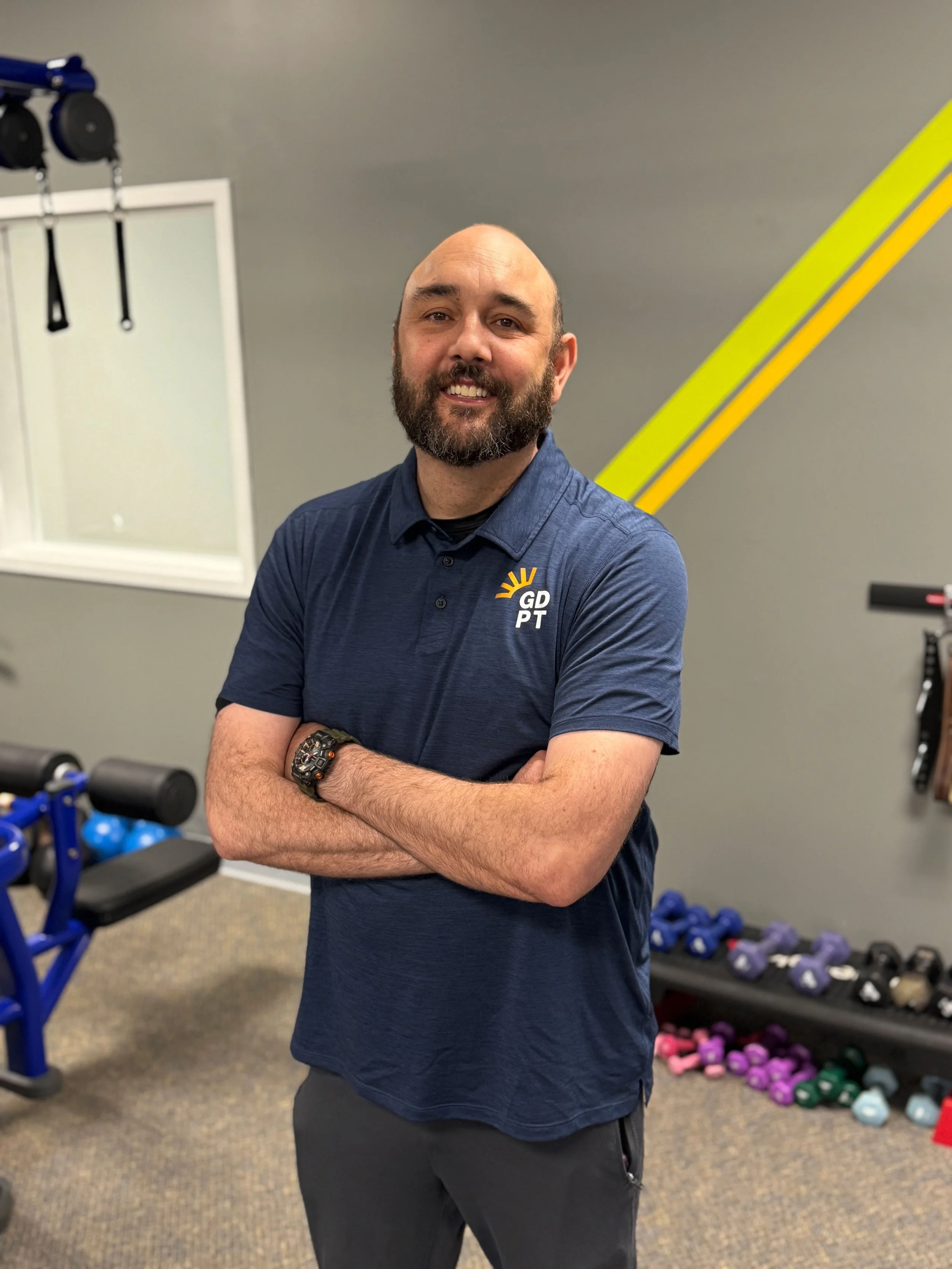
I’m Justin Brown, a personal trainer and exercise physiologist at Great Day Personal Training in Rochester, NY. I hold degrees in Exercise Science from both the University of Utah and Central Washington University, and my practice focuses on clients living with metabolic and chronic illnesses.
At Great Day, we’ve built our services around the idea that real people with real health challenges deserve fully customized, science-based support, not one-size-fits-all workouts.
Here’s how we can help you navigate the holidays (and beyond):
1. Customized 1-on-1 Personal Training
Sessions tailored to your diagnosis, medications, pain levels, and energy.
Programming that aligns with current exercise guidelines for chronic disease and diabetes management.
Options to focus on strength, balance, low-impact cardio, and functional movements that make daily life easier.
2. Support for Seniors & Mobility Challenges
Gentle strength and balance work to reduce fall risk, especially important in icy Rochester winters.
Modifications for arthritis, osteoporosis, neuropathy, and other conditions, built from current evidence showing the benefits of resistance and balance training in older adults.
3. In-Home & Flexible Training Options
For clients whose conditions, transportation, or schedules make it hard to get to the gym, we can bring coaching to you or build robust home-based programs.
This is especially helpful for people with fatigue, autoimmune flares, or mobility limitations.
4. Massage Therapy & Recovery
On-site massage therapy to help manage stress, muscle tension, and chronic discomfort.
While massage isn’t a replacement for medical care, evidence suggests that reducing stress and muscle tension can indirectly support better pain management and cardiometabolic health by lowering perceived stress and improving sleep quality.
5. Ongoing Education & Collaboration
I regularly review new research in exercise physiology, metabolic health, and chronic disease management.
When appropriate (and with your permission), we’re happy to coordinate with your physician, endocrinologist, or other healthcare providers to keep your plan aligned with your overall care.
A Holiday Invitation
If you’re managing a chronic or metabolic health condition, you deserve a holiday season that feels both joyful and safe for your body.
You don’t have to do this alone.
If you’re in the Rochester, NY area and want support in building a personalized holiday wellness plan, I’d love to meet you. Together, we can:
Clarify your specific health priorities
Create realistic movement, nutrition, stress, and sleep strategies
Design a training plan that carries you through the holidays and into the new year with confidence
Ready to get started?
Reach out to Great Day Personal Training to schedule a session with me, Justin Brown, or another member of our highly qualified team. Let’s make this season not about perfection, but about progress, support, and feeling proud of how you’re caring for your health.